
Loading...
Serving Des Moines, IA and surrounding areas. (515) 724-6905
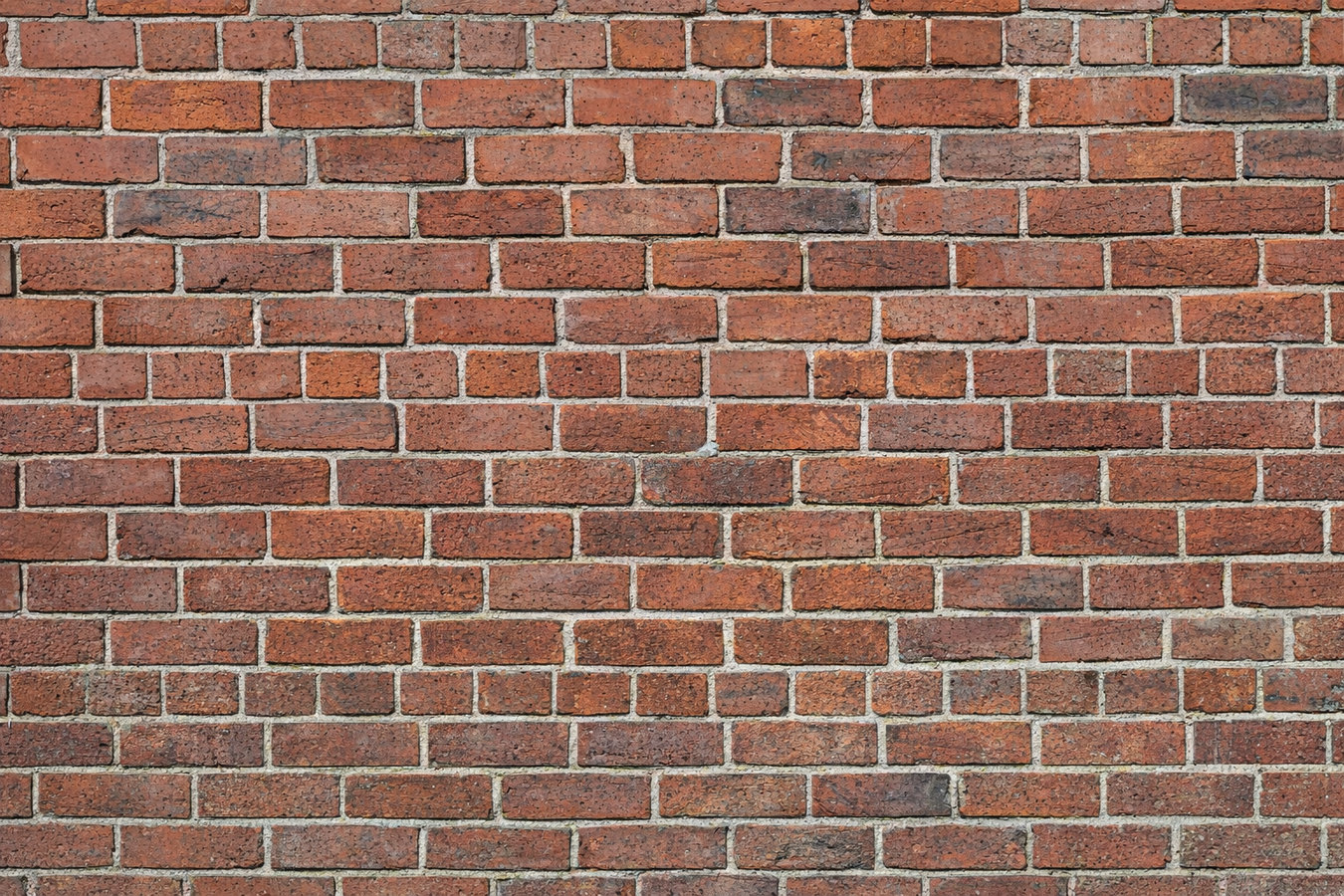
Failing mortar lets water into your walls every time it rains. We remove the damaged material and pack in fresh mortar that seals your brick against Iowa freeze-thaw cycles.
Tuckpointing in Des Moines involves removing old, crumbling mortar from the joints between your bricks and packing in fresh material that bonds tightly and seals the wall. Most jobs on a single-family home take one to three days, with little disruption to your routine.
If your brick home is more than 20 years old, the mortar joints are likely showing wear. Des Moines averages over 100 freeze-thaw cycles per year, and every one of those cycles pushes trapped water deeper into any crack it can find. Once water gets in, it can damage insulation, rot framing, and end up costing far more than the tuckpointing itself. If you are also dealing with larger structural issues, our brick repair service covers those repairs alongside mortar work.
Press your thumb against a mortar joint. If it crumbles, feels sandy, or falls away, it is no longer protecting your wall. In Des Moines, freeze-thaw cycles accelerate this breakdown faster than in milder climates, so it is worth checking older homes every few years.
Stand back and look at your brick walls in good daylight. Dark gaps or sections where mortar has fallen out entirely mean water is already getting in. Every Des Moines winter makes this worse - water that enters before freeze season can cause significant damage by spring.
Chalky white residue on the surface of your bricks - called efflorescence - is a sign that water is moving through the wall. It does not always mean the mortar is the only culprit, but deteriorating joints are the most common entry point on older Des Moines brick homes.
Hairline cracks that follow the mortar joints rather than cutting through the bricks are a classic sign of mortar deterioration. In Des Moines, these often appear or widen noticeably after a hard winter as repeated freezing and thawing opens them up season by season.
We handle tuckpointing on all exterior brick surfaces - walls, chimneys, foundation courses, and retaining walls. Every job starts with grinding out the deteriorated mortar to at least three-quarters of an inch, cleaning the joint, and packing in new material that bonds properly to the surrounding brick. We test mortar colors before committing so the finished work blends in rather than announcing itself. If the damage has spread beyond the joints and bricks need replacing, our brick pointing service addresses surface repointing on smaller areas, while full brick repair covers spalling, shifting, and damaged units alongside the mortar work.
For older Des Moines homes built before 1960, we match the hardness of the new mortar to the existing brick. Using a mortar that is too hard for an older lime-based brick can crack the bricks themselves over time - a problem that costs far more to fix than the original mortar failure.
For homes with deteriorating mortar on main wall surfaces where freeze-thaw damage is most visible.
For chimneys where exposed mortar faces the harshest Iowa weather and deteriorates fastest.
For older Des Moines homes where the new mortar must match the original lime-based mix to avoid brick damage.
Des Moines averages more than 100 freeze-thaw cycles per year - temperatures crossing the freezing point repeatedly throughout fall, winter, and early spring. Every time water trapped in a crumbling joint freezes, it expands and pushes the joint a little wider. Over a few winters, a hairline crack becomes a gap you can slip a finger into. Neighborhoods like Des Moines and Ankeny have large concentrations of brick bungalows and older commercial brick buildings that are at or past the point where their original mortar needs professional attention.
The tuckpointing season in Des Moines runs from late April through October. Mortar cannot be applied when temperatures are below 40 degrees Fahrenheit, and it needs several days of above-freezing weather to cure. Contractors fill up quickly in late spring when homeowners start seeing what the previous winter left behind. Getting on the schedule in February or March for a spring start avoids the rush. The Brick Industry Association provides guidance on mortar compatibility that applies directly to the older brick housing stock throughout central Iowa.
We respond within 1 business day. Tell us where the damage is and roughly how much wall area you think needs attention. We schedule a free on-site estimate at a time that works for you.
We walk the affected areas, probe the mortar joints, and check for any signs of deeper problems. You get a written estimate before we leave - no surprises later.
The crew grinds out old mortar to at least three-quarters of an inch, cleans the joints, and packs in new material matched to your brick. Most single-family jobs wrap up in one to three days.
Before we leave, we walk the completed work with you. Fresh mortar needs 24 to 48 hours without getting wet. We advise on what to watch for during the curing period.
We respond within 1 business day. There is no obligation - getting an estimate costs you nothing. After you submit, someone from our office will call to schedule a free on-site visit so we can see the work before quoting a price.
(515) 724-6905We grind out old mortar to at least three-quarters of an inch before applying new material. Anything shallower and the repair will not bond and will fall out within a few years. You can ask us this question directly - we give you a specific answer, not a vague assurance.
We test mortar batches before committing to the full repair. On older Des Moines brick homes, a poorly matched repair stands out for years. We take the extra step so the finished work blends in rather than advertising itself.
We know the neighborhoods, the housing stock, and the climate conditions that affect brick homes here. From bungalows in Beaverdale to older commercial buildings downtown, we have worked on them.
We know the neighborhoods, the housing stock, and the climate conditions that affect brick homes here. From bungalows in Beaverdale to older commercial buildings downtown, we have worked on them.
Good tuckpointing is not visible when it is done right. It blends in, holds for decades, and stops the damage cycle before it reaches your framing or interior walls. That is what we aim for on every job. Read what the Brick Industry Association says about contractor qualifications before you hire.
Surface repointing for smaller areas where only a portion of the wall needs attention rather than a full tuckpointing job.
Learn moreReplacement of spalling, cracked, or shifted bricks alongside mortar work when damage has gone beyond the joints.
Learn moreDes Moines freeze-thaw cycles do more damage every season you wait - call now for a free estimate and get on the schedule.