
Loading...
Serving Des Moines, IA and surrounding areas. (515) 724-6905
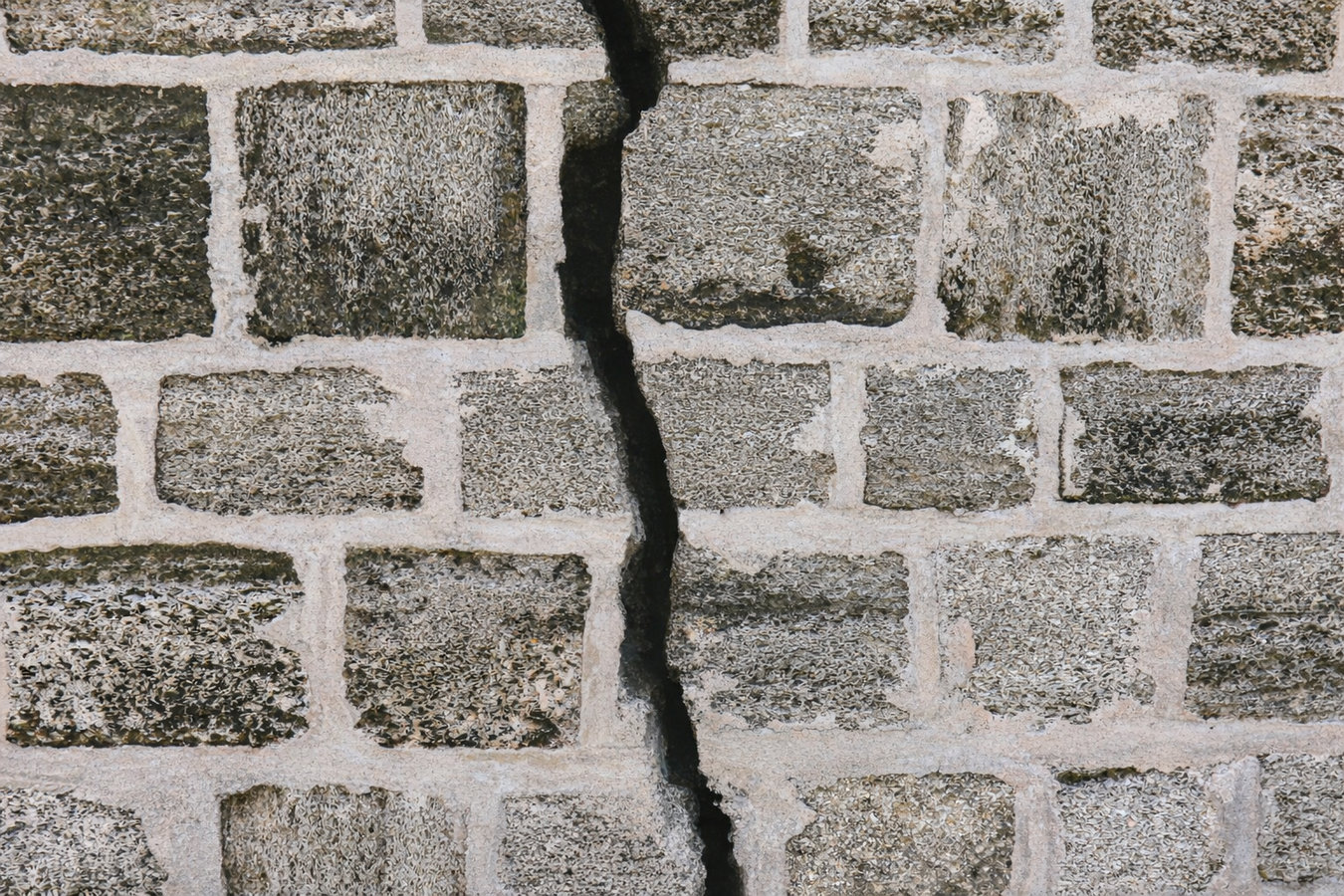
Cracked walls, sticking doors, and water in the basement are signs your foundation needs attention. We fix the problem at its source so you stop worrying every time Iowa springs arrive.
Foundation repair in Des Moines addresses cracks, settling, bowing walls, and water intrusion by anchoring steel or concrete piers into stable soil, reinforcing walls, or sealing the concrete against moisture — most residential jobs take one to three days. The clay-heavy soil across Polk County expands when wet and shrinks when dry, which is why foundations here move more than in regions with sandier ground. If you have noticed cracks widening after each wet spring or doors that stick in rooms they never used to, your foundation is reacting to that seasonal soil movement.
Many Des Moines homes in neighborhoods like Beaverdale and Sherman Hill were built between the 1920s and 1960s with unreinforced concrete block foundations that were never designed to handle decades of freeze-thaw stress. If you suspect your foundation needs more than minor patching, our foundation block wall installation service may be part of the solution alongside structural repair.
New cracks in your basement walls or floor after a heavy Des Moines spring are a sign the soil shifted during the wet season. A crack that keeps growing season to season needs professional attention — not just monitoring.
When a foundation shifts, the frame of your house moves with it. If doors stick or windows leave visible gaps at the corners in multiple rooms, that is a reliable early warning sign before cracks become obvious.
Stand at one end of your basement and look down the wall. If it bows or curves inward — even slightly — the soil outside is pushing against it. Iowa clay soils expand significantly when wet, and this movement worsens each winter.
Water seeping in where the wall meets the floor, or white chalky residue on basement walls, means your foundation is under more water pressure than it can handle. Over time this weakens concrete and accelerates cracking.
Every foundation problem is different, and we do not apply the same fix to every home. For settling foundations, we install steel or helical piers driven deep into stable soil below the frost line — this stops movement that is already happening and prevents more. For bowing or cracking walls, we use wall anchors or carbon fiber straps to stabilize the concrete and halt inward movement. When water is the primary concern, we address drainage at the source and seal the concrete so future seasons do not undo the repair.
In older Des Moines homes with concrete block foundations, we assess the original construction before recommending a solution. Sometimes the right answer is pairing structural stabilization with our foundation block wall installation work to restore structural integrity from the ground up. We also coordinate with chimney repair when freeze-thaw damage has affected both the foundation and the chimney structure on the same property.
Best for homes with significant settling or sinking sections that need to be stabilized at depth.
Ideal for basement walls that are bowing inward due to soil pressure against the exterior.
A lower-profile option for reinforcing bowing walls where interior space matters.
Suited for hairline to moderate cracks where the underlying movement has already been addressed.
Necessary when water is actively driving the foundation problem from the outside.
Appropriate for older Des Moines homes with block foundations showing deterioration or shifting.
Des Moines sits on clay-heavy soil that moves more dramatically than most of the country — swelling when saturated in spring and shrinking during dry summers. The city also averages around 35 days per year where temperatures swing above and below freezing, and that repeated cycle opens cracks and pushes walls inward in ways that compound year over year. Homes near the Des Moines and Raccoon Rivers, which are prone to heavy spring flooding, face additional hydrostatic pressure against basement walls that homeowners farther from the river corridors do not deal with as acutely.
We work across the metro, including areas like Ankeny and West Des Moines, where postwar ranch homes and newer subdivisions sit on the same clay-rich soil that affects older city homes. Regardless of your neighborhood, the seasonal conditions here mean foundation issues are rarely a one-time event — the repair has to account for what Iowa winters and springs will do to the soil around your home for decades to come.
We ask about your home's age, what you have noticed, and whether the issue has changed over time. We respond within 1 business day to schedule a free on-site visit.
We walk through your basement or crawl space, measure any cracks or wall movement, and give you a plain-language explanation of what we found — plus a written estimate before we leave.
For structural repairs in Des Moines, we pull the required city building permit. Once it is in hand — typically a few business days — we give you a firm start date with a daily schedule.
Most jobs run one to three days. After completion, the city inspector verifies the work. We coordinate that visit and walk you through everything before we close out the job.
We respond within 1 business day. There is no obligation to hire us after the estimate. After you submit, someone from our office will call to schedule a free on-site evaluation — we come to you, look at the problem, and give you a written quote before we leave.
(515) 724-6905Every structural foundation repair we do in Des Moines is permitted through the city's Permit and Development Center. That inspection record stays with your property — which matters if you ever sell.
We anchor piers below the frost line and below unstable clay layers, so the repair holds through the seasonal movement that defines Iowa weather — not just until next spring.
From Beaverdale to West Des Moines and out to Marshalltown, we know this region's housing stock — older block foundations, postwar ranches, and everything in between.
You get a written, itemized quote after the on-site evaluation — not a ballpark number over the phone. No surprises when the invoice arrives. For further reading, the{' '}<a href='https://www.asce.org' target='_blank' rel='noopener noreferrer' className='underline'>American Society of Civil Engineers</a>{' '}offers guidance on what sound structural repair looks like.
These are not just promises — they are the specific things Des Moines homeowners tell us mattered most when they were deciding who to call. We built our process around the questions and concerns we hear on every estimate visit.
New block wall systems that work alongside your repaired foundation to give your home a stable, long-term base.
Learn moreIowa winters stress chimneys the same way they stress foundations — we handle both so nothing gets missed.
Learn moreIowa's freeze-thaw cycles work against your foundation every winter — the sooner you get an evaluation, the less expensive the fix tends to be.