
Loading...
Serving Des Moines, IA and surrounding areas. (515) 724-6905
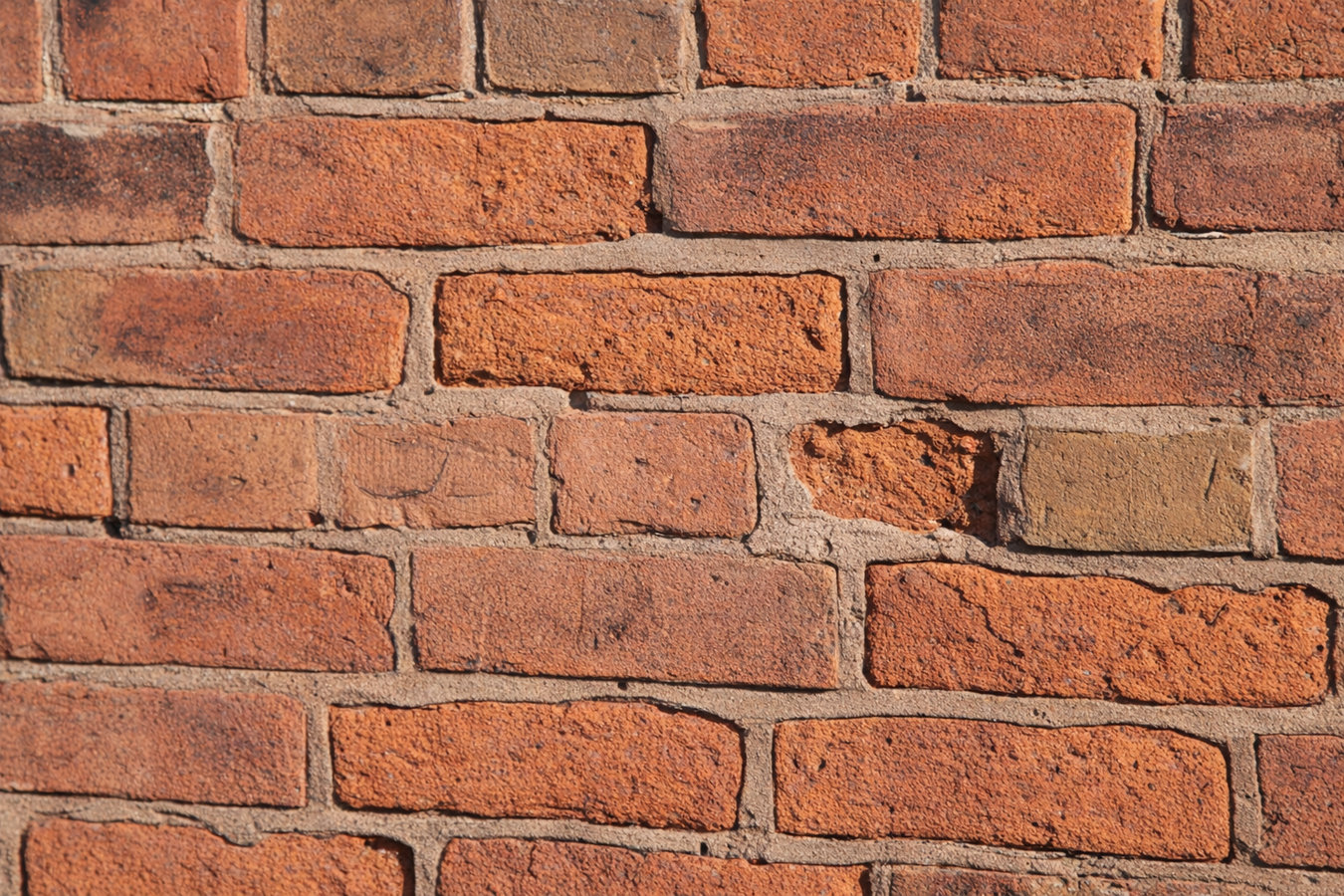
Crumbling mortar between your bricks is not just cosmetic. Every Iowa winter, that water freezes in the gaps and makes the damage worse. Brick pointing closes those joints before the next freeze cycle.
Brick pointing in Des Moines is the process of removing old, crumbling mortar from the joints between bricks and replacing it with fresh mortar - the bricks themselves stay in place. Most residential jobs take one to two days for a chimney or foundation section, up to a week for a full exterior wall. It is one of the most cost-effective repairs a homeowner can make, because catching deteriorated mortar early is far less expensive than waiting until water has gotten behind the wall.
Des Moines homes - especially those built in the 1920s through the 1950s in neighborhoods like Beaverdale, Sherman Hill, and the Drake area - are at a point in their lifecycle where original mortar has simply run its course. Mortar is designed to be softer than brick so it absorbs movement and moisture instead of the bricks cracking. But once that mortar wears out, water gets in, and Iowa winters do the rest. Brick pointing is the repair that closes the entry points. If your home also has broader masonry wear beyond the mortar joints, our tuckpointing service addresses larger sections of deterioration with a similar process.
Run your finger along the joints between bricks. If the mortar feels sandy, flakes off easily, or leaves dust on your finger, it is past its useful life. Healthy mortar should feel hard and solid - like the brick itself. This is the clearest sign that repointing is overdue, and in Des Moines it is most visible after a hard winter.
Stand back and look at your brick wall or chimney from a few feet away. If you can see dark gaps where mortar used to be, or sections where the joint has recessed more than a quarter inch, water is already getting in. In Des Moines winters, that water will freeze and make the problem significantly worse by spring.
Chalky white residue on the surface of your bricks - called efflorescence - means water is moving through the wall and carrying dissolved salts to the surface. It tells you moisture is getting in somewhere, and failing mortar joints are one of the most common entry points. This is especially common on Des Moines homes after a wet spring.
If cracks run along the joints between bricks rather than through the bricks themselves, that is a repointing problem, not a structural one. This pattern is common in older Beaverdale and Sherman Hill homes where the original lime mortar has reached the end of its lifespan after decades of Iowa winters.
We repoint chimneys, exterior walls, foundation sections, garden walls, and steps throughout the Des Moines metro. The process is methodical: old mortar is carefully ground or chiseled out to the right depth - roughly three-quarters of an inch - then fresh mortar is packed in by hand and tooled to a profile that sheds water rather than collecting it. Mortar color and strength are matched to your existing brick as closely as possible, which matters especially on older Des Moines homes where the wrong mix can damage the bricks themselves over time. When the broader scope of work goes beyond individual joint repair into larger surface deterioration, our tuckpointing service addresses that at a larger scale.
For homeowners whose masonry issues go beyond the mortar - cracked or spalling bricks, shifted sections, or water damage that has reached behind the wall - our foundation repair team can assess whether the underlying structure needs attention before the pointing work is done. We recommend the right scope at the estimate visit so nothing gets missed and nothing gets over-sold.
Best for homeowners seeing mortar gaps, white staining, or loose stones on a chimney before the next heating season begins.
Suits homes with visible mortar deterioration on brick foundation sections or lower exterior walls, especially in older Des Moines neighborhoods.
Ideal for pre-1960 homes in Beaverdale, Sherman Hill, or Drake where modern cement mortar would be too hard and could damage the original brick over time.
Des Moines sits in a climate zone where temperatures regularly swing from well below freezing in January to the 90s in summer. Every time water trapped in aging mortar freezes and thaws, it expands and contracts - slowly cracking the joints apart. This cycle runs dozens of times each winter, and it means Des Moines brick homes tend to need repointing more frequently than homes in milder climates. The Brick Industry Association technical guides and the National Park Service Preservation Briefs both outline how mortar removal depth, joint profile, and mix strength affect how long a repoint job lasts in freeze-thaw climates - and we build every project around those standards.
Established neighborhoods throughout Des Moines are filled with brick homes built between the 1890s and the 1950s. Mortar from that era was often made with lime rather than modern cement-based mixes, and it requires a mason who knows how to match original softness. We do a large share of pointing work in Ankeny and West Des Moines as well, including brick homes and chimneys on mid-century properties where mortar has reached the end of its typical lifespan and annual freeze-thaw exposure has accelerated the wear.
We respond to every inquiry within 1 business day. We will ask a few basic questions - where the work is located, how much area is involved, and whether you have noticed any water damage inside. Most reputable masons in Des Moines want to see the work in person before giving a firm price, so expect to schedule a brief on-site visit.
We walk the affected area, look closely at the mortar joints, and check for signs of deeper damage - like bricks that have shifted or water that has gotten behind the wall. This visit usually takes 20 to 45 minutes. We tell you what we found in plain terms and explain what the repair involves before any numbers are discussed.
After the visit you receive a written estimate that outlines the scope of work, materials to be used, and total cost. We tell you at this stage whether a permit is required through the City of Des Moines. A good mason expects questions and will answer them clearly - ask anything you are uncertain about.
The crew grinds or chisels out old mortar, packs in fresh mortar by hand, tools the joints to match your existing profile, and cleans up as they go. When work is done, we walk the finished joints with you. Fresh mortar needs 24 to 48 hours before it can get wet, and we give you written care guidance before leaving.
Written quote after an in-person visit. No obligation. We respond within 1 business day.
(515) 724-6905A mason who uses the wrong mortar mix on an older Des Moines home can cause brick damage that is far more expensive than the original pointing problem. We assess your existing mortar and match the new mix to it - softer lime formulas for pre-1960s homes, modern blends where appropriate.
Des Moines spring and fall are the ideal windows for mortar work - roughly April through June and September through October. We schedule jobs to fall within those windows so your mortar cures correctly and you get the full service life out of the repair.
Iowa does not require masons to hold a state license, which puts more responsibility on you to vet who you hire. We carry full liability insurance, provide references from Des Moines homeowners, and give you a written estimate with a clear scope - the three things the Iowa Division of Labor recommends every homeowner ask for before signing anything.
Nobody wants a patchwork wall where new mortar is obviously brighter than the surrounding brick. We take the time to match color and texture so the finished repair looks like it has always been there - an important detail on brick homes that have character built up over decades.
We have pointed chimneys, foundation walls, and exterior brick on homes throughout Des Moines, from historic properties in the city core to mid-century homes in the surrounding suburbs. Every project gets the same care in mortar selection and joint finishing.
When mortar deterioration is more widespread across a larger surface area, tuckpointing addresses the full scope of joint repair in a single project.
Learn moreIf mortar issues on lower brick sections are accompanied by structural movement or water behind the wall, foundation repair addresses what pointing alone cannot fix.
Learn moreSpring and fall slots fill up fast - reach out now to get on the schedule before the season's best weather is gone.