
Loading...
Serving Des Moines, IA and surrounding areas. (515) 724-6905
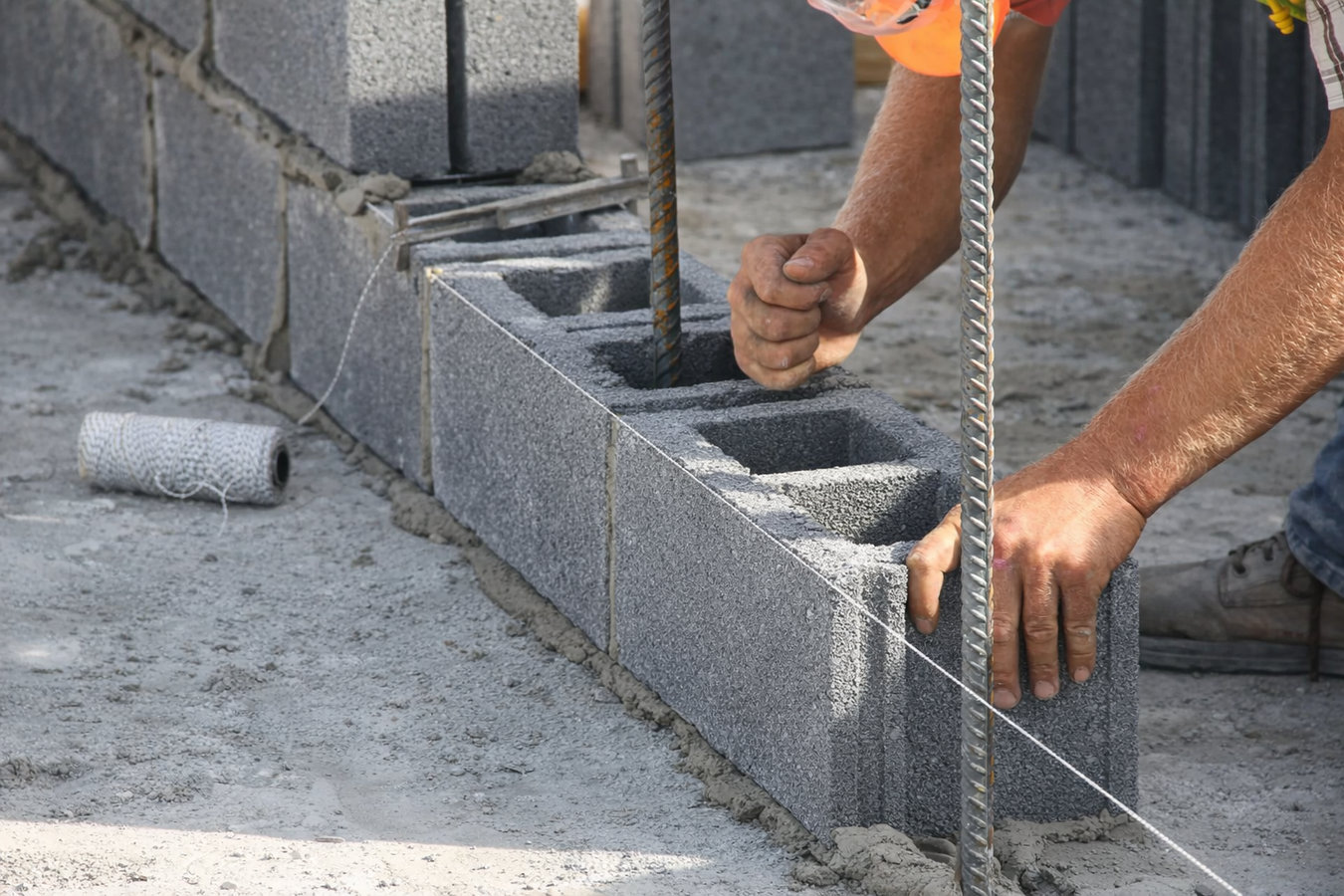
Iowa clay soils and hard winters put real stress on foundations. We build and replace block wall foundations with proper steel reinforcement, waterproofing, and drain tile so yours holds for decades.
Foundation block wall installation in Des Moines means constructing or replacing a basement wall using hollow concrete blocks stacked in a grid, filled with steel rods and poured concrete for strength - most jobs on a standard single-family home take two to three weeks from excavation through backfill, not counting the 28-day curing period.
This type of work comes up in two situations: new construction that needs a foundation from the ground up, and older Des Moines homes where the original block wall has been compromised by decades of Iowa winters and clay soil pressure. Either way, the process is significant but predictable when you work with a contractor who knows local conditions. If your wall has already developed structural problems, foundation repair may be the right starting point before deciding whether a full replacement is needed.
Des Moines sits on clay-heavy soil that swells when wet and shrinks when it dries, creating lateral pressure against foundation walls year after year. A wall built without accounting for that pressure - and without proper waterproofing and drainage - will show problems sooner than one built for local conditions. Getting it right the first time costs less than fixing it later.
Cracks that run side to side across your basement wall are one of the most serious warning signs a block foundation can show. In Des Moines, where clay soil swells against walls after heavy rain or snowmelt, this pattern means the wall is being pushed inward. A crack wider than a hairline - especially a horizontal one - warrants a professional assessment before the next wet season.
Stand in your basement and look at the wall from a corner. If it curves inward rather than running straight, it is under stress from lateral soil pressure. This tends to worsen each year without intervention. A wall that has moved more than an inch or two may be past the point of repair and likely needs full replacement.
Damp spots, white powdery residue, or actual water coming through basement walls after a storm or during spring thaw means your foundation's waterproofing has failed. Des Moines gets significant spring rainfall and rapid snowmelt, and a block wall without intact waterproofing absorbs that moisture over time, weakening the mortar between blocks.
When a foundation wall shifts or settles unevenly, the frame of the house above it shifts too. The first place most homeowners notice it is in doors or windows that no longer close the way they used to. This is especially common in older Des Moines homes after a hard winter or a particularly wet spring - and it is worth investigating before the problem grows.
We handle foundation block wall work for both new construction and full replacement on existing homes. Every job includes proper footing preparation, block coursing with mortar, steel reinforcement at required intervals, poured concrete fill, and exterior waterproofing before backfill goes back against the wall. We also install a drain tile system at the base of the wall to direct groundwater away from the foundation - a step that is easy to skip but critical in Des Moines where spring rains and snowmelt put real pressure on foundations. If you are dealing with an existing structural problem, foundation repair handles cracks, bowing, and water intrusion without a full replacement.
For homeowners who need more than just the foundation - whether that is extending a basement, adding a crawl space wall, or tying a new block structure into an outdoor project - our outdoor kitchen masonry service covers free-standing masonry structures with the same attention to footings and frost-depth construction. We pull all required permits through the City of Des Moines and coordinate inspections at the right stages so nothing gets skipped.
For new builds and additions that need a properly reinforced block wall foundation built to current Des Moines code.
For older Des Moines homes where the original block wall has deteriorated past the point of repair and needs to come out and be rebuilt.
For homes where one section of the foundation has failed while the rest remains structurally sound and only the damaged portion needs rebuilding.
Des Moines sits on clay-heavy glacial till soil that expands when it absorbs water and shrinks as it dries out. That constant movement creates lateral pressure against foundation walls - the kind that causes block walls to bow inward over time if they were not built with adequate reinforcement. Des Moines also experiences dramatic temperature swings between winter and spring, with the ground freezing and thawing repeatedly from roughly November through March. A wall built without accounting for both of those factors will show problems within a few years. Proper reinforcement spacing, deep footings, and a complete waterproofing system are not optional extras here - they are the baseline. Homeowners in Norwalk and Altoona deal with the same clay soil and freeze-thaw conditions as homeowners throughout the metro.
A large share of Des Moines homes were built before 1970, and many neighborhoods - Beaverdale, Drake, Capitol East, Highland Park - have original block foundations that were constructed to standards that no longer reflect what we know about soil movement and water management. Replacing a foundation in a home like this involves excavation around the full perimeter, not just patching the visible problem. The National Concrete Masonry Association sets the technical standards that govern how block walls are designed and built - a contractor familiar with those standards is working from a recognized framework, not guessing. The Iowa State University Extension also provides research-based guidance on Iowa soil conditions and drainage that applies directly to how foundations in this region should be designed.
We respond within 1 business day. A foundation job cannot be quoted without seeing the site, so we schedule a free on-site visit to look at your existing foundation, take measurements, and ask about any problems you have noticed. You receive a written estimate that breaks out labor, materials, and permit costs separately.
Once you sign a contract, we apply for the building permit through the City of Des Moines - this typically takes one to three weeks. Use that time to clear the perimeter of your home: vehicles, outdoor furniture, and landscaping within about 10 feet of the foundation walls all need to be moved before excavation begins.
With the permit approved, the crew excavates to the required depth and begins laying blocks from the footing up. Each course is set in mortar, checked for level and plumb, and reinforced with steel rods at regular intervals. The hollow cores are filled with poured concrete as the wall rises - typically two to five days of active masonry work.
After the wall sets, we coat the exterior face with a waterproof barrier and install drain tile at the base before backfilling. The city inspector verifies the work meets code before the project is closed out. We handle the inspection coordination - you do not need to manage it yourself.
We respond within 1 business day. Getting an estimate is free and comes with no obligation to move forward. After you submit, someone from our office will call to schedule a free on-site visit so we can see the site before quoting a price.
(515) 724-6905We coat the exterior face of every foundation wall with a waterproof barrier and install drain tile at the base before backfill goes back. These steps are easy to skip or do cheaply - and they are the most common reason a newly built foundation develops water problems within a few years. We do not treat them as optional.
We handle the permit process with the City of Des Moines from application through final inspection. You never have to wonder whether your foundation was built legally or inspected properly. A contractor who suggests skipping permits on a foundation job is one you should walk away from.
Des Moines clay soils expand when wet and contract when dry, putting lateral pressure on foundation walls year after year. We design reinforcement schedules and drainage systems specifically for that load pattern - not a one-size-fits-all approach from a contractor who has not worked in central Iowa's conditions.
We have worked on foundation projects across Des Moines and the surrounding metro, including older homes in established neighborhoods where the original foundations were built to standards that have since been surpassed.
Foundation work is not the kind of project where you want to find out afterward that something was missed. We are straightforward about process, scope, and pricing from the first phone call - because a customer who understands what they are getting is a customer who stays satisfied when the project is done. The Mason Contractors Association of America sets the professional standards we follow on every foundation project.
Cracks, bowing, and water intrusion in an existing foundation wall - repaired without necessarily replacing the whole structure.
Learn morePermanent masonry outdoor kitchen structures built on frost-depth footings using the same construction standards as foundation work.
Learn moreSpring slots fill fast - reach out now to lock in your estimate before the busy season closes out.