
Tuckpointing & Repointing Services
Protect your Des Moines home from water damage and structural issues with professional tuckpointing and repointing.
What Is Tuckpointing and Why Does It Matter?
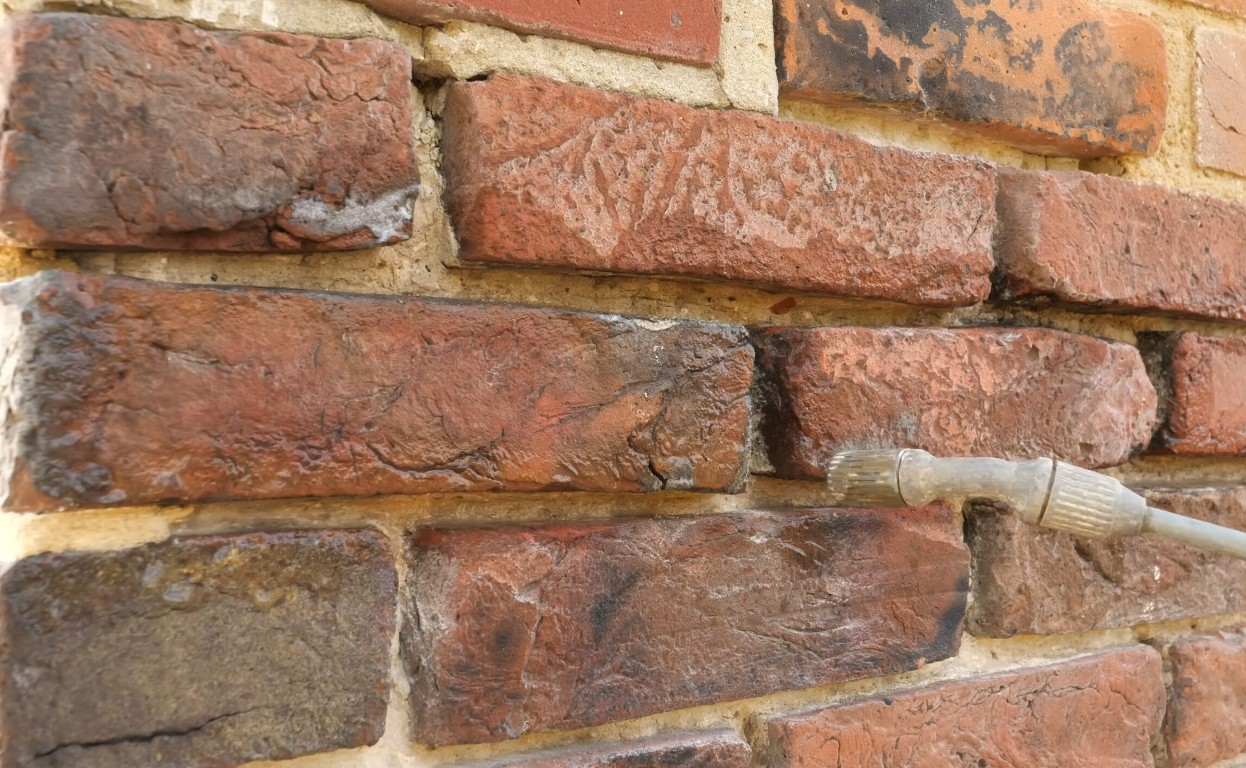
Tuckpointing and repointing are specialized masonry techniques that repair the mortar joints between your bricks. Even though bricks can last over 100 years, mortar is softer and breaks down much faster. When mortar deteriorates, it leaves gaps that let water seep into your walls. That water causes all kinds of problems, from interior damage to structural issues that cost thousands to fix.
Here in Des Moines, our freeze-thaw cycles are brutal on masonry. Water gets into tiny cracks, freezes, expands, and makes those cracks bigger. Over time, your mortar crumbles away and your bricks become loose. If you catch this early with professional tuckpointing, you can avoid much more expensive repairs down the road.
At DEM Des Moines Masonry, we specialize in restoring mortar joints on homes throughout the metro area. Whether you have a historic brick home in Beaverdale or a newer build in Waukee, we have the skills and experience to do the job right.
Tuckpointing vs. Repointing: What Is the Difference?
People use these terms interchangeably, but they are actually slightly different techniques. Both involve repairing mortar joints, but the approach varies.
Repointing
Repointing is the process of removing old, damaged mortar and replacing it with new mortar that matches the color and texture of your existing joints. This is the most common type of mortar repair. We grind out the deteriorated mortar to a specific depth, clean the joints thoroughly, and pack in fresh mortar. The goal is to make the repair blend in seamlessly with your existing masonry.
Tuckpointing
Tuckpointing is a decorative technique that creates the illusion of very fine, precise mortar joints. We first fill the joints with mortar that matches the brick color, then apply a thin line of contrasting mortar (usually white or light-colored) down the center of each joint. This was popular in older homes and gives walls a clean, uniform appearance. It is less common today but still used in historic restoration projects.
For most Des Moines homes, standard repointing is what you need. We will assess your specific situation and recommend the best approach for your property.
Signs Your Home Needs Tuckpointing
How do you know when it is time to call a professional? Watch for these common warning signs:
- •Crumbling mortar: If you can scrape mortar out with your finger or see it falling away in chunks, you definitely need repointing.
- •Cracks in mortar joints: Even small cracks let water in. They will get bigger over time, especially after winter.
- •Gaps between bricks and mortar: When mortar pulls away from the brick, water can flow straight into your wall cavity.
- •White staining (efflorescence): Those white, powdery deposits mean water is moving through your masonry and bringing salt to the surface.
- •Loose or shifting bricks: When the mortar fails, bricks lose their support and can move or fall out entirely.
- •Interior water damage: Stains on interior walls near exterior brick often mean water is getting through failed mortar joints.
If you notice any of these issues, do not wait. The longer you delay, the more damage water will cause. What starts as a simple repointing job can turn into extensive brick repair and restoration if water gets deep into your walls.
Our Tuckpointing Process
Quality tuckpointing requires skill, patience, and the right materials. We do not rush through jobs to save time. Here is what our process looks like.
Step 1: Mortar Removal
We carefully grind out the old mortar to the proper depth, usually about three-quarters of an inch. Going too shallow means the new mortar will not bond well. Going too deep can damage the bricks. We use specialized tools to remove mortar without harming your existing brickwork.
Step 2: Joint Preparation
After removing the old mortar, we clean out all the dust and debris. The joints need to be completely clean for the new mortar to bond properly. We also dampen the bricks so they do not suck all the moisture out of the fresh mortar too quickly.
Step 3: Color Matching
This step separates quality work from quick patches. We mix mortar to match your existing color as closely as possible. Different eras and neighborhoods in Des Moines used different mortar colors, so we take samples and test batches until we get it right. We also match the texture and hardness of the original mortar, which is important for historic homes.
Step 4: Application and Finishing
We pack the new mortar firmly into the joints, making sure there are no air pockets. Then we tool the joints to match your existing profile, whether that is concave, flush, or another style. Finally, we let the mortar cure properly and clean up any mess.
If your chimney also needs attention, check out our chimney repair and rebuilding services. Chimneys are especially vulnerable to mortar deterioration and often need repointing.
Frequently Asked Questions
Protect Your Investment with Expert Tuckpointing
Do not let deteriorating mortar damage your home. Call DEM Des Moines Masonry at 515-724-6905 for a free inspection and estimate. We serve Des Moines and all surrounding areas with honest, quality work you can trust.